

This is the second post in the series What Works for Us. (See my post on our laundry system here.) This post has been seriously delayed because while I can type the content on my phone during naptime in my kids’ room, I have to take the pictures in person, and finding time to do that is hard. These photos are not Pinterest-worthy, but they show what I’m talking about. Anyway.
In this What Works for Us series, I am posting lifestyle and home management tips that are working for us, while homeschooling four kids. And what do kids produce every day, besides laundry?
Paper.
The paper clutter with kids, whether they are in school or homeschooled, is insane! I swear, my kids produce 15 pieces of paper a day, 365 days a year. Besides having a very sizable recycling bin right in the bottom of my pantry for the things that don’t make the cut, here is what I do with these mounds of paper:
School Papers and Artwork
I regularly go through papers created at home or brought home from church. Whatever is worth keeping (even if it’s just the kids saying they want to keep it), I put all of the papers in two bins in an upstairs closet (my two older kids share a bin and so do my two younger ones). Labeling them with the dates and child is helpful (especially when I am not sure who created what), but I sometimes don’t have time or care enough (and often, I can tell who made it by just looking at it, or now that my kids are older, they know who made what). I like this system, because in the craziness of everyday life, it only takes a few minutes to file their papers and get them off the kitchen counter or homeschool table.

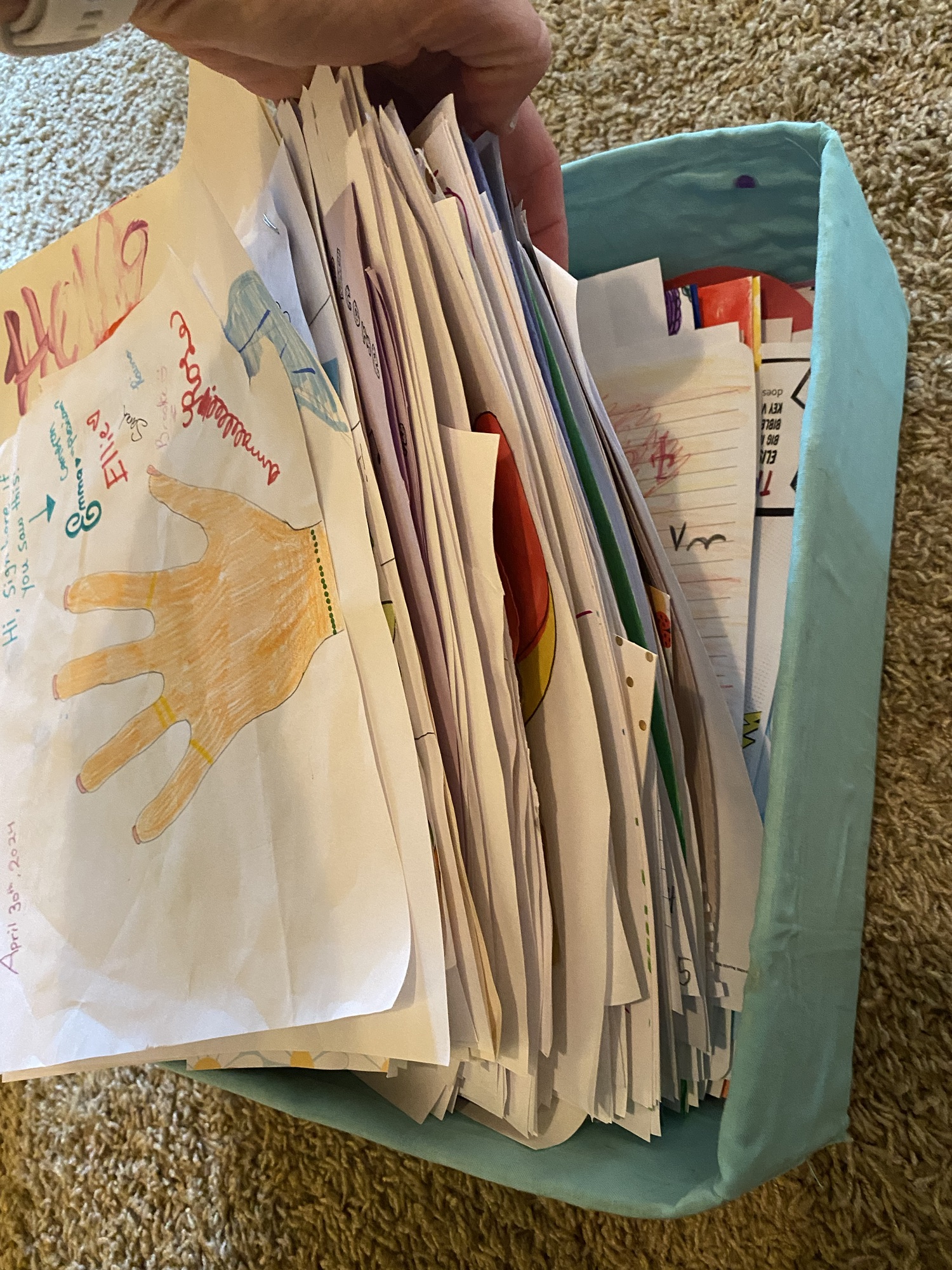
Regardless of whether or not I label them, the papers are stacked in relative chronological order. Sometime after the end of the school year and before the beginning of the next, the kids and I go through all their papers at once, weeding out the ones they no longer care about, hole punch the stuff they want to keep, and put all the keepers in a 3-ring 1-inch binder, one per child, per grade. After using a variety of binder sizes that I got for free or at thrift stores, we have found that the 1-inch size is the sweet spot for us.

We also use the pockets in the front and back of the binder, plus some page protectors if needed for things that are weirdly shaped. I keep a 3-ring binder for the artwork my husband and I have created with the kids too, because I plan to give all the kids’ binders to them when they graduate, and then I will still have some things to look at for the memories.

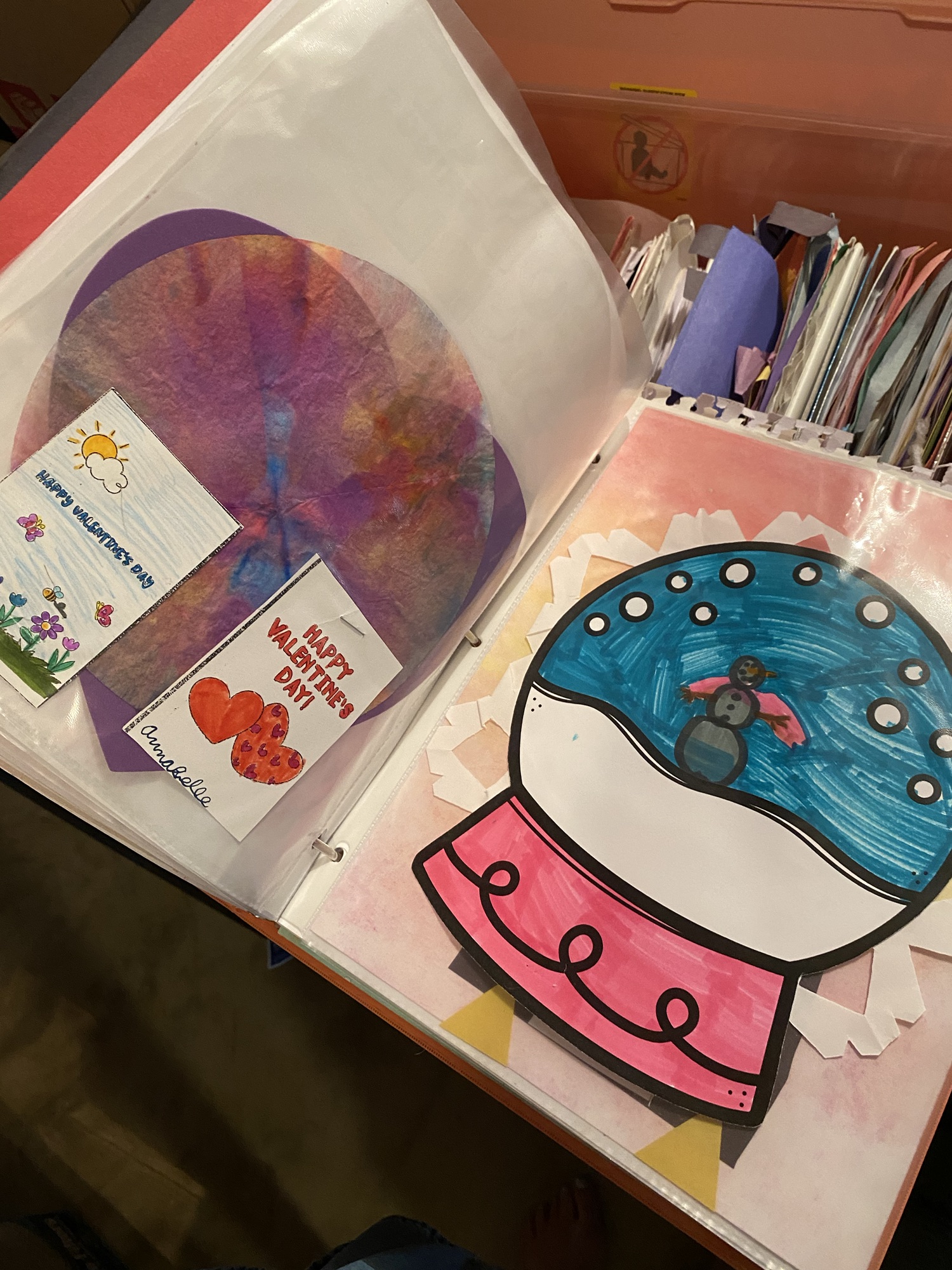
The kids have enjoyed getting their binders back out and looking through their past creations. Having all the stuff in a binder makes it easy to do!
Buying that many binders could get pricey, but people are giving away binders for cheap all the time! Keep your eyes open at thrift stores and garage sales.
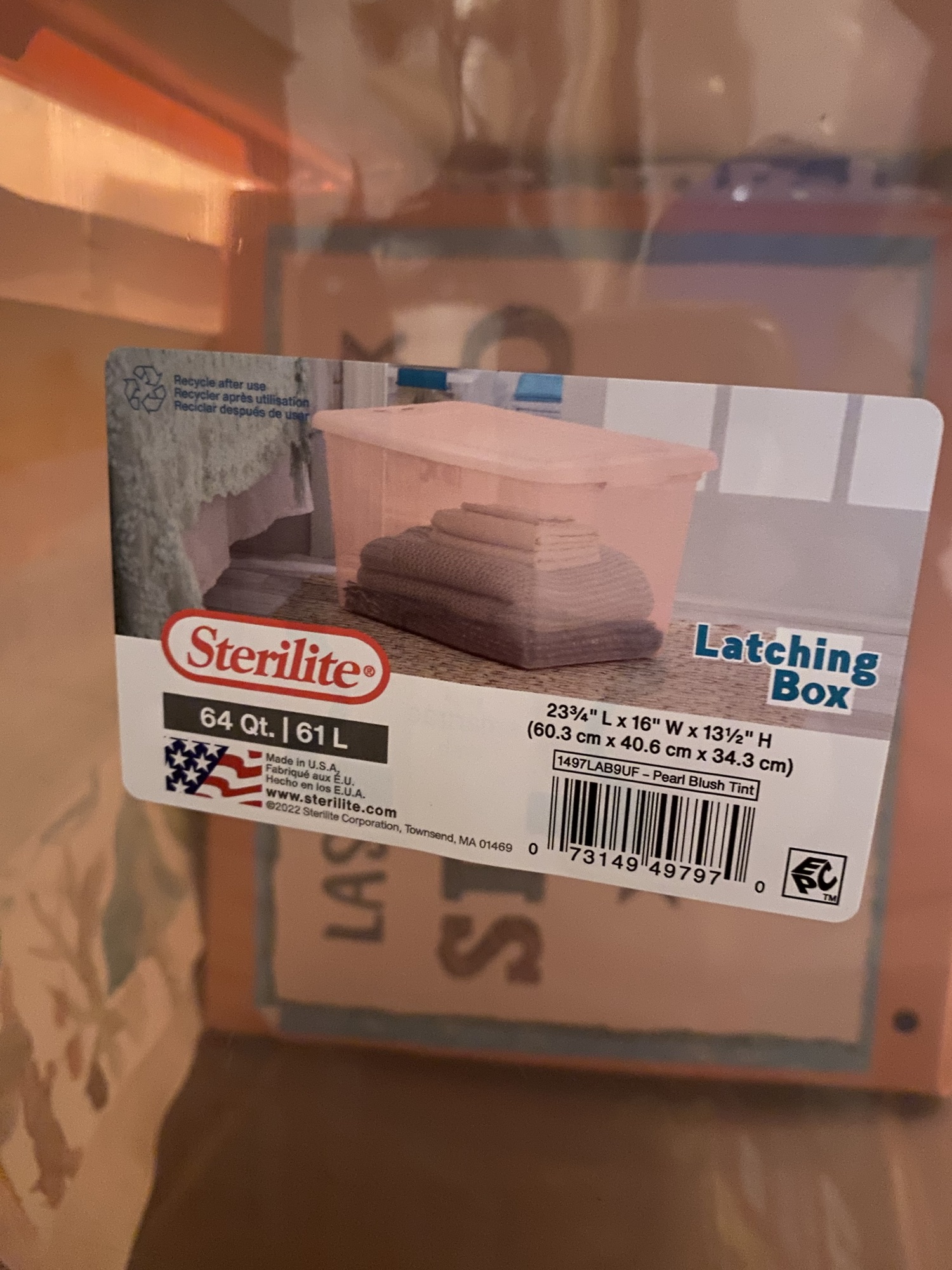
Each kid has a tote that will fit all their binders K-12, plus have a little extra room for some art projects. I have these stored in our utility room. It is a little extra effort and space to save things, but I think it will be worth it in the long-run.
As a side note, six or seven years ago, I went through all the things my mom had saved from my childhood. Things I did not want to keep included tests and quizzes (even ones I scored well on), greeting cards that were only signed with a name and no special message, and cookie-cutter art projects. Things I truly valued were things that showed my creativity, imagination, and personality. I try to keep those insights in mind when deciding what to keep of my kids’ papers.
What about those things that the kids bring home, but aren’t done with?
Each kid has a folder in their homeschooling bin for things like this. When they’re wanting something to color while I’m reading aloud for school, they know there are options in their folder. That way, they know where it is and it’s off the kitchen counter.
Bills & Important Documents
My system for adult papers (bills and important documents) is actually not that different from my system for kid papers.
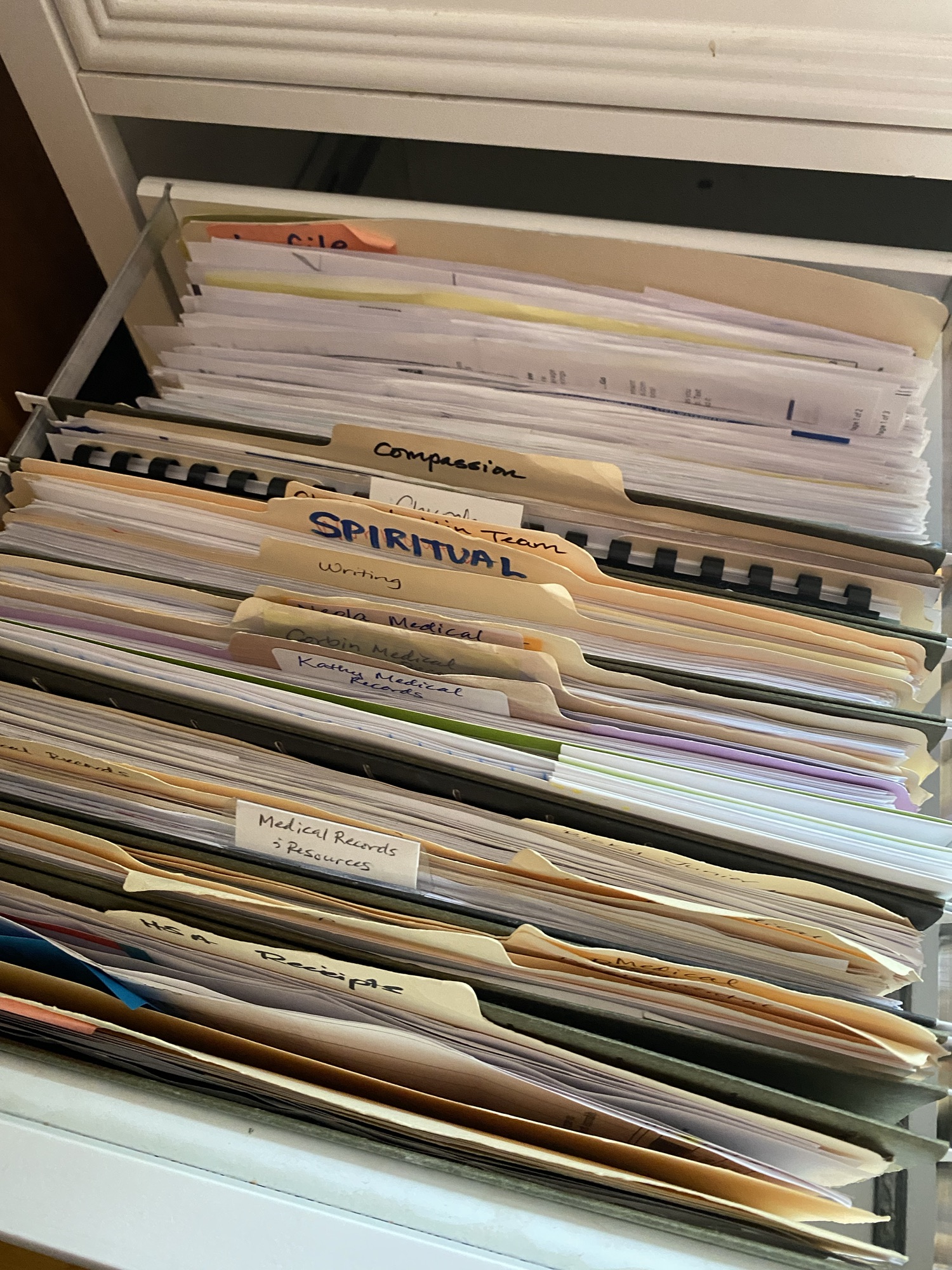
We used to have an old-school, two-drawer filing cabinet downstairs, with a hanging file folder for every different category, but literally years went by without us needing a single piece of paper in it. Meanwhile, I grew lazy and busy with parenting, and didn’t have the time or desire to run papers downstairs to file. So I started putting papers we wanted to keep in one giant accordion file labeled “To File” that I kept in a smaller, cuter file cabinet we have in our dining room (that we also use for electronic cord storage and coloring books).
Not surprisingly, I never got around to actually filing those papers. But we discovered that this system actually kind of worked, so we just kept using it. The beauty of it is that it’s super quick to file things—we open the mail and if there’s something bill-related we need to save*, it goes right into the back of the accordion file. Done.
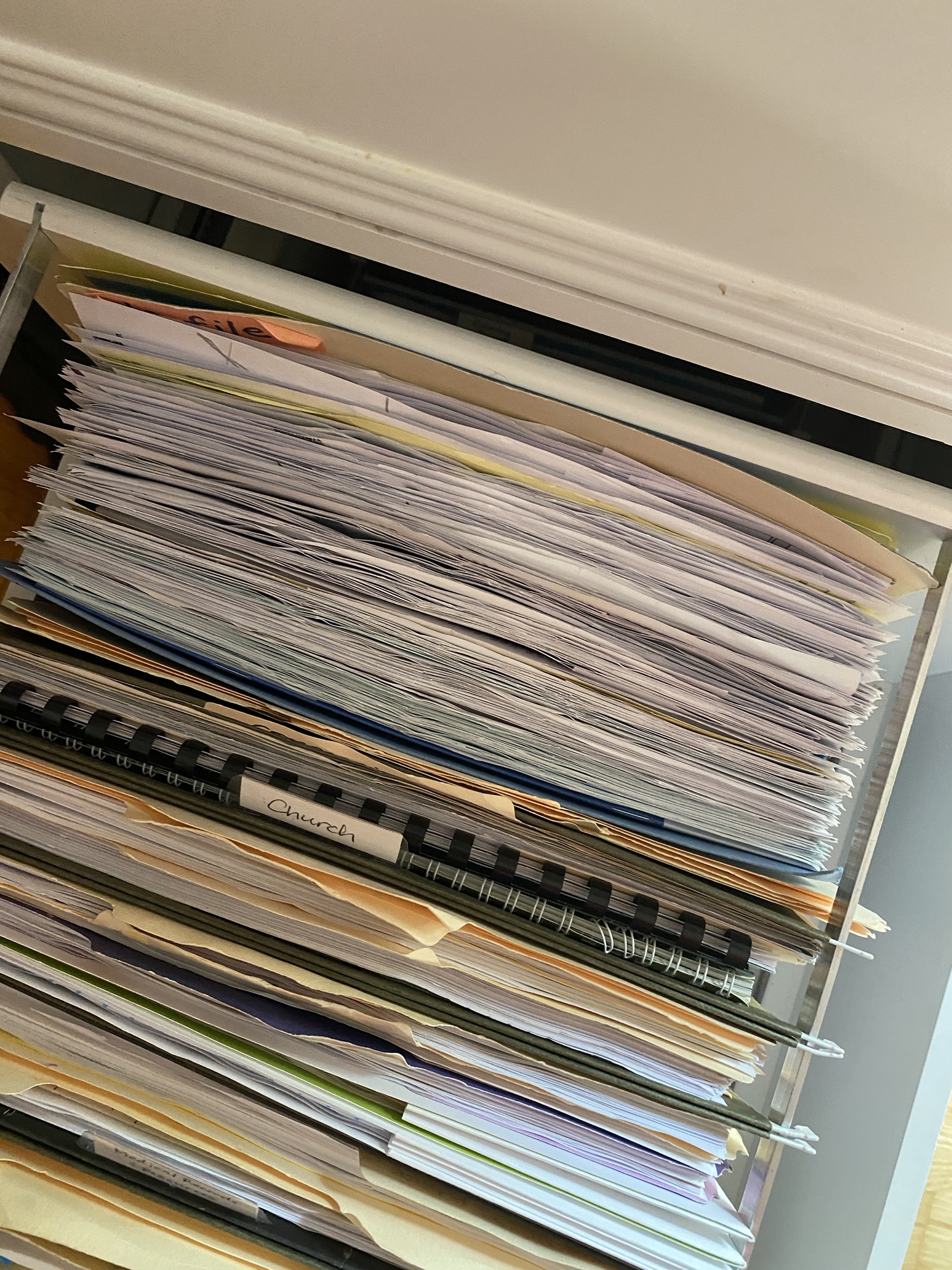
* We have signed up for electronic billing when and where possible, but some things just don’t qualify. I also don’t include person-specific medical records or important papers such as birth certificate copies in the accordion file — just bills, statements, and such.
Another benefit of this system (if you can call it that) is that when files become obsolete and no longer need saving, you don’t have to comb through a bunch of different file folders. You just take the front of the stack out of the folder (looking at dates), quickly page through it, keep anything still relevant, and shred the rest.
I will admit, it takes longer to find specific things in the big stack than if we had a detailed filing system but I think in the 6-7 years we’ve been doing this, we’ve needed something out of there only a handful of times. Then why do we keep those papers, you may ask? Because you never know. And I do not have time to scan things into digital files.
In our dining room filing cabinet, I do have a few specific files still (as you can see in the photos above). Each family member has their own medical file, and I have school/community/program information in its own folder, plus folders for HSA receipts and current year tax documents. But we shredded all of our old files, got rid of the massive filing cabinet, and haven’t looked back!
These paper systems work for us. Hope you found something helpful in this post!
Up Next: What Works for Us: Kid Chores


 Life, Really Blog